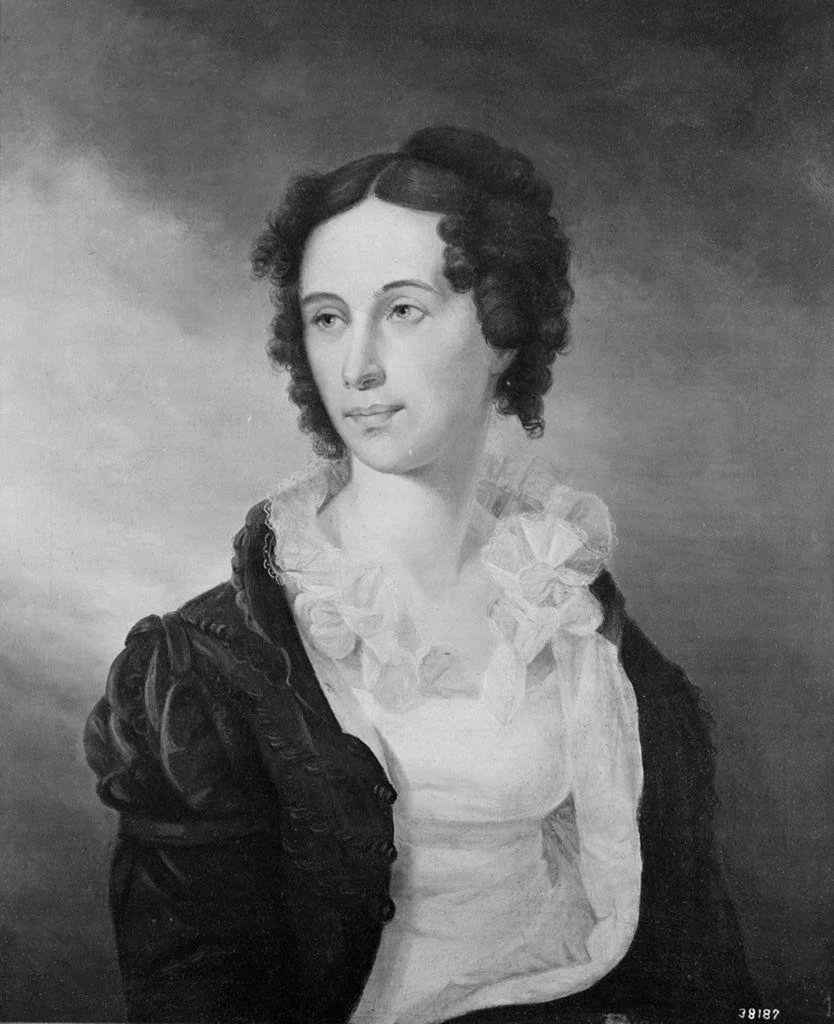
Anna Claypoole Peale
Anna Claypoole Peale was born to James Peale and Mary Claypoole Peale on March 6, 1791. Anna was the fourth child and third daughter of the couple. (Fig. 1) She was the only child to carry on her maternal grandfather James Claypoole’s name into her professional career. A career that lasted over 30 years and produced a documented number of over 160 portrait miniatures. These miniatures included two presidents, senators, an ambassador, scientists, theologians, and numerous individuals from the urban centers of Philadelphia, Boston, Baltimore, Washington, and Richmond, Virginia. How did Anna become such a successful commissioned-based miniature portraitist? How was Anna’s artistic training treated differently from that of other women artists of the era? What was the extent of training she was allowed to pursue in the realm of anatomy? How did she use this training within her miniature portraits?
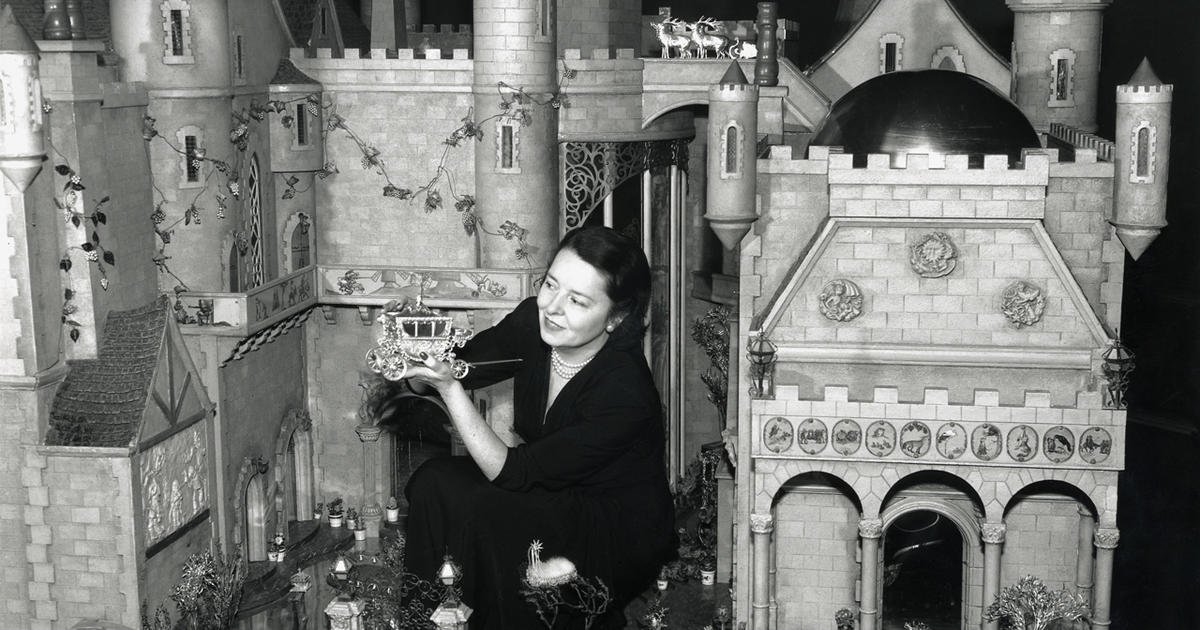
Legacy of Storytelling
Miniatures were utilized as budget-saving methods of special effects in many early films, particularly through the 1920s, 30s, and 40s. Beyond the use of miniatures in film, the relationship between miniatures, film, and the fantastical nature of both offers an authentic experience in its viewers not unlike the early fairytales passed down through generational storytellers. Colleen Moore, actress and miniaturist, participates in this generational storytelling by combining her professional life as an actress with the realization of fantasy in miniature with her Fairy Castle. In its creation, details, and subsequent display, the Fairy Castle embodies the story of Moore, her family, Hollywood, Cinema, and the imagined denizens of the fairytale castle.

The Psychology of Miniatures
Material culture as a field can be a problematic area to categorize. It is often applied to functional objects and used to ascertain such meanings. Miniatures and their intersections with the study of the collection, education, and popular culture are a little-explored area of research. In much of Western society, miniaturized forms such as dollhouses, dioramas, furniture, pottery, and other domestic cultures are viewed as objects of play. This is despite the consideration that many of these were historically conceived as decorative art to be collected by the adult bourgeoise. In a manner of building understanding and vocabulary around the study of miniaturization as art history and material culture phenomenon, this article utilizes a case study of the Creche/Presepe or the miniaturized Neopolitan Nativity Scene.